

Why Trust, Humanity & Differentiation are the Real AI Strategy
Three years of fanatical note-taking at Web Summit culminates in THIS

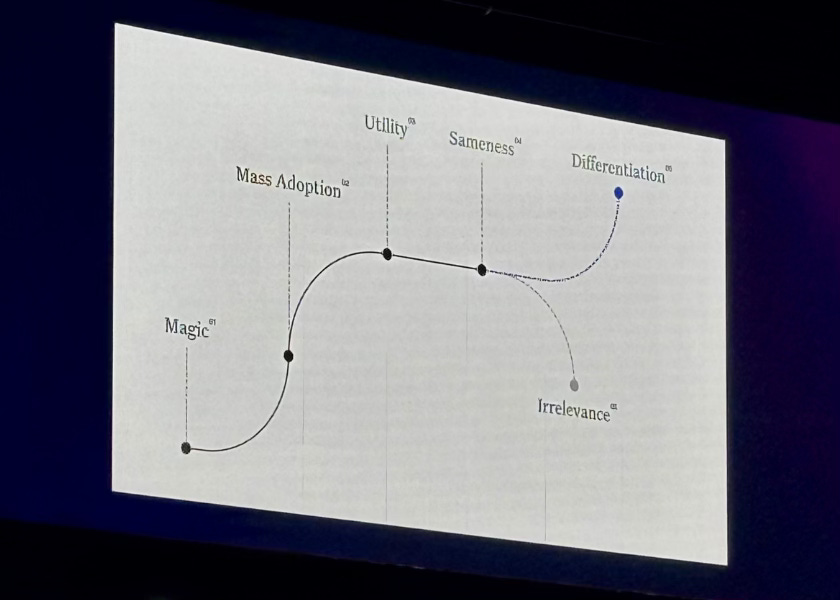
Having been lucky enough to attend Web Summit for the past three years, I’ve experienced the buzz around AI explode exponentially year on year.
From “AI wont steal your job, but someone who knows how to use it will” to “Is AI the solution or the problem?” to “AI is scaling but held back by hallucinations and lack of trust”.
This year (AI-aside) three other words stuck out for me. Popping up consistently across every stage and panel talk, they were:
Trust, Humanity, and Differentiation.
Leaning into differentiation, let’s do this edit a little…differently. Let’s review the past three years of my Web Summit notes instead of a regular ole’ roundup.
But first…do you trust this:

Trust: Fragmentation Panic to the Business KPI
Perhaps unsurprisingly, as AI-accelerated businesses and generated content continues to fill our feeds, Trust has become the most crucial thing to invest in.
2023: The Crisis of Fragmentation
The first time I went to Web Summit, I frantically took notes from stage to stage on the existential threat of a fragmented internet and widespread lying accelerated by AI. The main question circling Trust back then was: “Will we trust people on the internet post-AI?” with initial solutions proposing that we embed media literacy education and holding traditional journalism to account. The ideas still seem essential, but seem somehow quaint now?
2024: Productising Trust vs. GenAI Content
Then last year, the Trust-related conversation switched from the abstract to concrete actions, regulation and policy - with a side of urgency. Trump had just been elected. The big, bold claim was that “Move fast and break things is bullshit now” off the back of the Crowdstrike blue screen incident. The focus was on the engineering aspect of the problem at hand: how would we label AI content and create a “seal of trust” through transparency of actions and the EU AI act.

2025: The Business Case for Trust
And this year, Trust was easily the second-place, runner-up word, heard after AI. Trust, we’re told, now needs to become a core business KPI (think: Return on Trust, in place of ROI). The “Attention Economy” has given way to the “Trust Economy”which obvs I strongly agree with. Trust drives conversion and Trust compounds. And for anyone still on the fence, Mozilla’s SVP of Strategy & Innovations, Suba Vasudevan brought it home referencing BCGs insight that trusted brands see 2-3x revenue growth.
“Attention without trust is just bounce.”
-Suba Vasudevan
Not Human-Centred; Humanity-Centred
As AI adoption scales up so too does the value of our uniquely human traits. Weirdly enough, its not an either/or situation, but something more akin to a Human/AI/Human sandwich of operations.
2023: All about Ethics
Only two years ago, AI still seemed like some glimmer on the horizon that we were still being convinced of. The discussion centered on our ethical responsibilities: “AI are not moral agents, humans are.” We were told we needed to check data for bias and use AI for moral good, like mental health assessments in conflict zones, not creating cost-saving Coca-Cola Christmas ads. We were still discussing and defining the shared values that should guide AI development.
Looking back on my notes now, it feels as though we collectively forgot to do anything beyond discussing this problem and just skated on past the bias inherent in the system.
2024: Ok, Creators
Then last year, the focus shifted from ethics to our very human creativity and the surging Creator Economy as the hail mary for truth in an AI world. We discussed how connection and craft are not commodities, and leaders must be accountable for how technology is applied. Dan Gardner, CEO of Code & Theory blasted our stale, grey internet and the race to efficiency as a race to the bottom, positing that instead, we must design for intimacy, and relationships over connections.
One Dan Gardner quote I tapped out in bold was: “Connections are brief, relationships are ongoing.” Stating the obvious and yet, the obvious that needed to be stated?

2025: Soft Skills to Win
This year, a common thread across the Summit was on leveraging - and designing for - humanity, not just humans. Both regarding our yearning for human messiness, reconnecting offline and to solve real-world problems such as the intergenerational loneliness epidemic.
Over in the corporate world, the business case for soft skills i.e. communication, curiosity, and empathy, is bigger than ever, as these skills now constitute 62% of valuable work.
One of the most-attended of the smaller stages, was on the topic: “Why Soft Skills are the Hottest Hires in the age of AI” where Upwork’s President and CEO, Hayden Brown noted a reversing trend and uptick in the need for Copywriters - roles initially assumed to be wiped out courtesy of LLM’s. Just gonna leave this right here.
Differentiation, Differentiation, Differentiation
2023: It’s a Tool, silly!
Back in ye olde 2023, we initially imagined AI as a creative aid - a tool that would “enhance” and teach us to how to ask better questions. That’s how we’d stand out. How cute! Brands were focused on its use for efficiency while luxury brands aimed to preserve their craft. And to quell those fears around AI looming on the horizon came this key thought-nugget: “If new is not scary it’s probably boring.” While I solidly agree on the sentiment, with hindsight can’t say for certain that we really lived that…
2024: Designing the Future
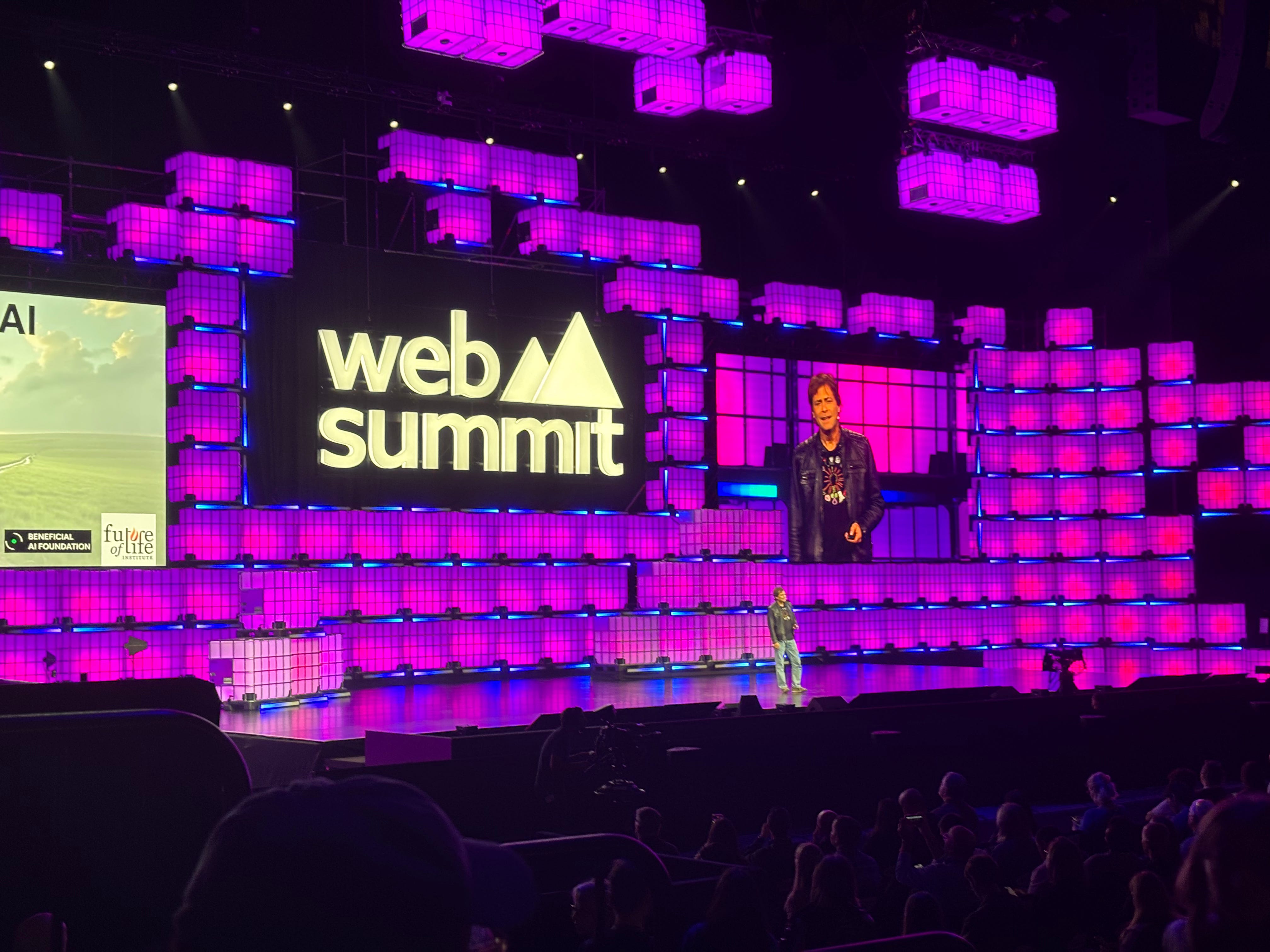
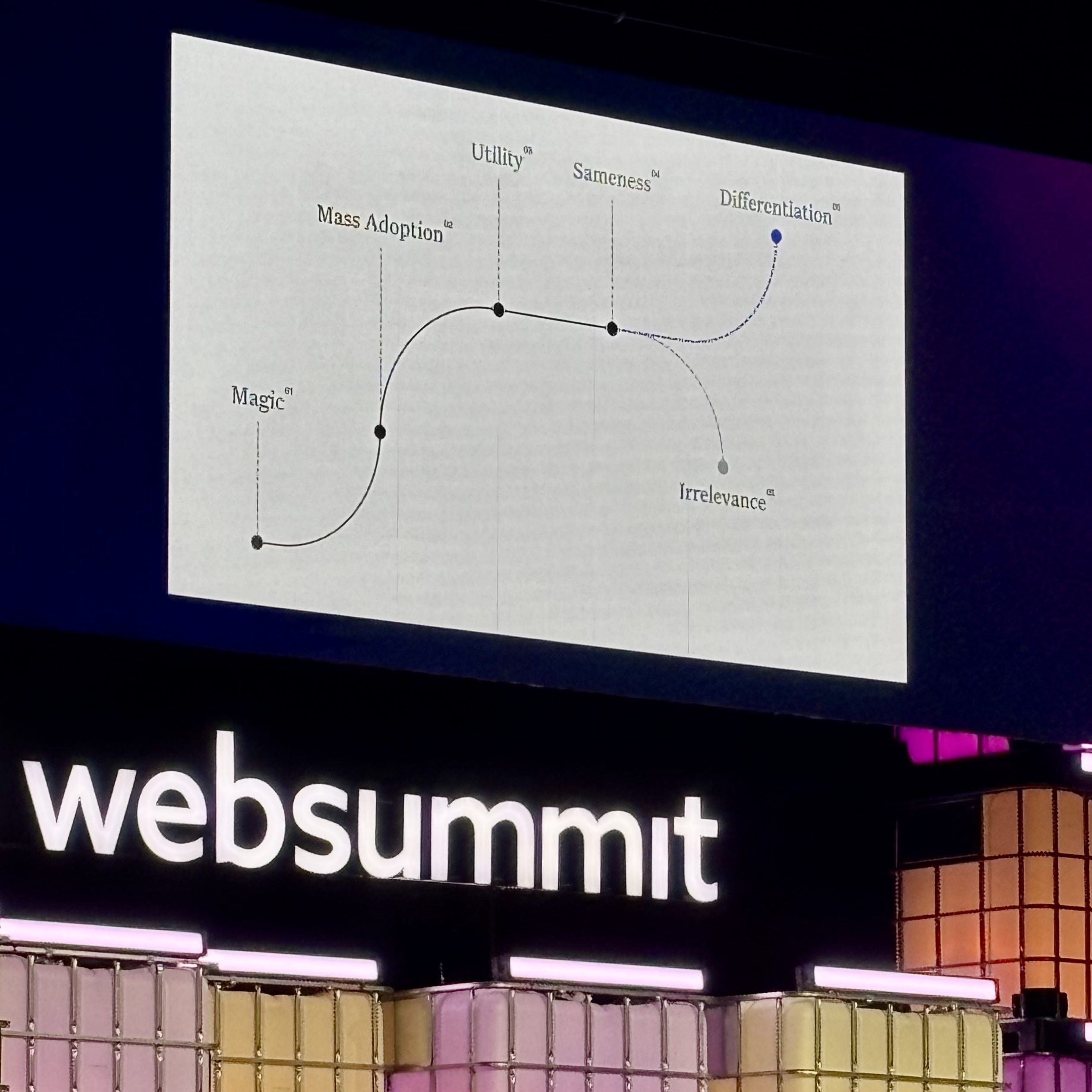
Then the dangers became a touch sharper as Slop and Enshittification trickled into our collective lexicon: if GenAI meant every brand was just ‘enhancing’ to an elevated mediocrity of creative assets, then we had to invest in creativity to design better, not just chase efficiency. And ‘better’ looked like experiences: Shiny examples of AI-accelerated, conversational commerce seemed like the clear route to take into building with the customer.
2025: Success Hinges on Differentiation
This year differentiation moved from the back-burner aka something everyone talked around, to front-and-centre: the point everyone hammered home. It’s no longer enough to be authentic as a means of differentiation; now is the time of “audacity over authenticity.” to paraphrase Adidas’ Global VP, Erika Wykes-Sneyd.
Success depends on our very human ability for discernment. That means no more trend-chasing in pursuit of relevance, but instead trend research as a starting point to determine precisely what you don’t want to do. Please make all the CEOs and CFOs of the world read this before they harass their social media team.

So what’s the takeaway after three years of Web Summit? Move at the pace of trust, not technology.
Lets be honest, our human brains can only evolve so fast.
Tech innovation at speed and scale are sexy and fun to hype up, but at the end of the day it’s your customers’ real-world human needs, your team’s ability to communicate and co-create, and your brand’s singular point of view that actually makes the real change possible.
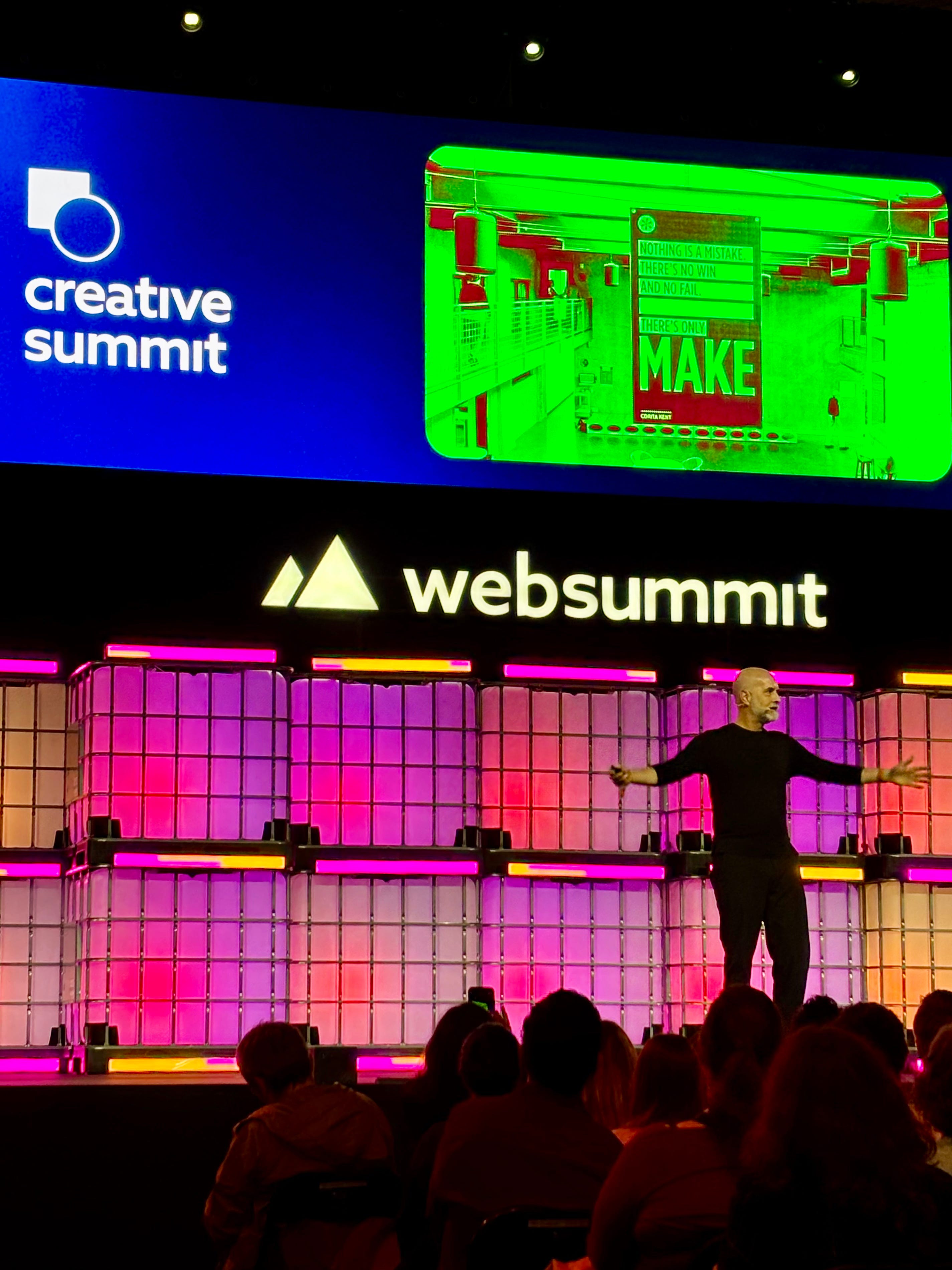
I’ll close this out with wise words from Philips’ Global Head of Design, Peter Skillman’s talk “Empathy and Reinvention of Design“:
Equipped with AI and new tech innovations, we’re all makers now and anyone with limited skills can create and code. The most important currency we have in AI times is Trust.
Nothing is a mistake
Theres no win
And no Fail
Theres only…
MAKE.
Who do you trust?

What comes to mind when you hear about declining levels of institutional trust? Is it numbness? Overwhelm? Paralysis? A general sense of “no shit, but what exactly can I do about it?”
It’s cheaper to save the planet than to destroy it

Last week I attended Lisbon’s Web Summit and the message was clear: the era of "move fast and break things" is finally over. Thank god (or thank crowdstrike’s outage earlier this year.) As we bob and weave our way through an ever-crowded and complex existence, businesses must move with purpose, build with intention, and
Let's Take This Offline

A rationally optimistic three-part series on the topic of Generative AI content, whether it’s in its Bubble-bursting era and how it could shape our online world in the years to come. Over the course of the next three posts, let’s explore where, when and how we can use AI content generation for the better, common mistakes to avoid and the best practices that are already setting the benchmark for AI-enabled content moments.