

Stop Prompting, Start Playing
Why getting playful now might be our smartest move to thrive in an AI-first future

“Hey Chat, how am I doing?”
We’re at an inflexion point where AI’s widespread usage is accelerating at the same time as literacy is in decline and we’re discovering that heavy AI use seems to be wearing down our brainpower. Surprise! What could go wrong with prompting your way through everyday life? Frictionless living begets smoothbrain.
Philip Teale and I first connected over the shared concern that unassisted thinking is increasingly at risk from AI’s addictive hand-holding. Over a few calls, we kept digging into the topic of playfulness as the antidote to AI zombification. So this collaborative piece is a roundup of our meandering conversations on play, AI and ideas for how we can design more playfulness into our lives.
🎤Tell me Why 🎶
Not only are we upping our AI usage, we’re increasingly viewing these systems as more than just tools, but as 24/7 sidekicks and thinking-companions. As all-knowing, all-powerful, external pocket-brains. Yikes.
We let AI therapise our anxieties, organise our lives, and generate our ideas on demand. Those few seconds of mental friction that once sparked a whole new line of thinking, are gone faster than you can say "Hey Chat..."
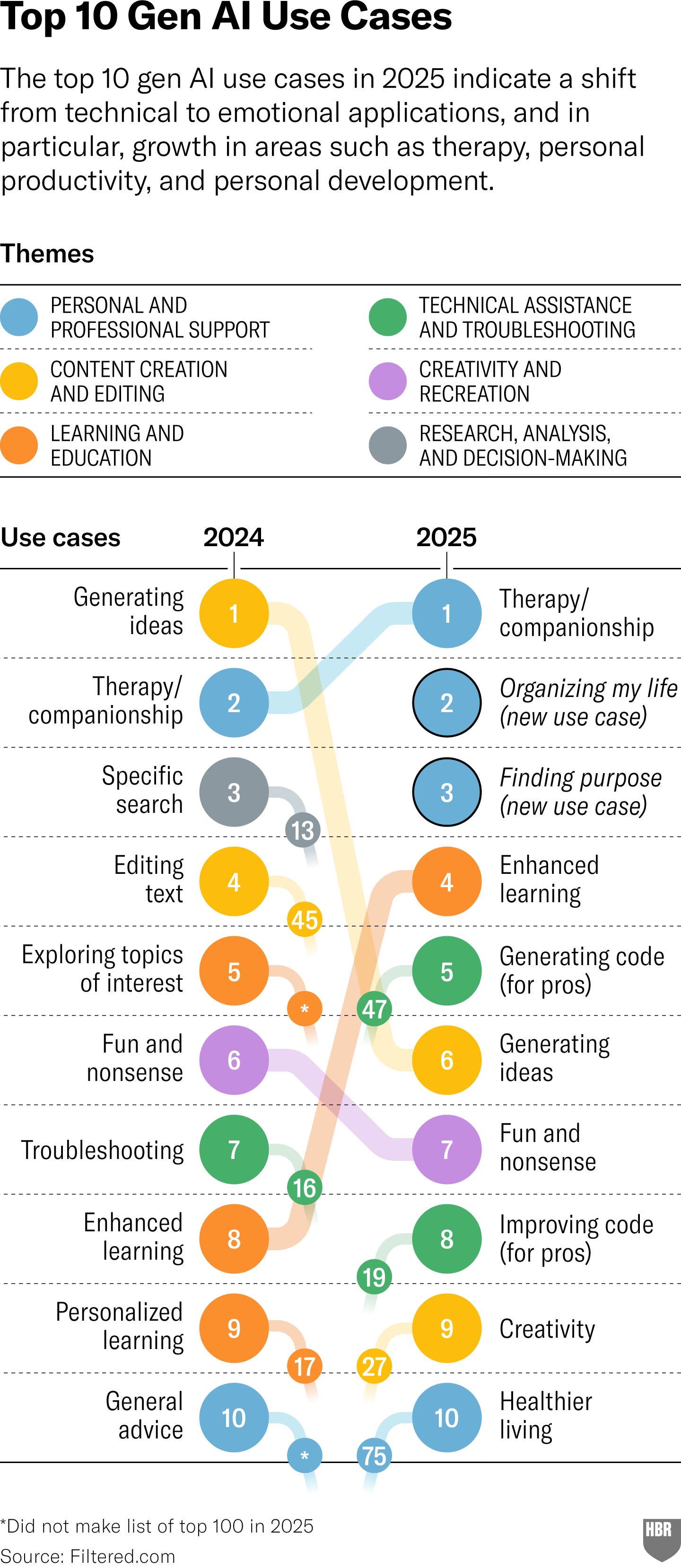
Recent research paints a not-so pretty picture. Heavy generative AI usage can disrupt learning by reducing "productive struggle" - the vital in-brain friction that helps develop pretty crucial skills like metacognition and general creativity. Studies found strong negative correlations between heavy AI tool usage and critical thinking abilities, particularly among younger users.
What could possibly go wrong?
What’s Play got to do with it?
We agree that cognitive capabilities are pretty essential and worth protecting for folks of all ages. But how? What if the solution isn't a return to luddite-esque tech abstinence or regulatory overhaul, but something far more fundamental?
What if it's just…play?
Authentic, open-ended play. Not gamified productivity nor performative fun. Play that creates exactly the environment we need to thrive alongside AI. Play isn’t the opposite of work. True play introduces ambiguity, productive friction, presence, and human connection that AI can never truly replicate.
And it’s not just for kids. It’s the foundation of experimentation, and innovation; just ask Lego Serious Play. It’s what allows us to engage without fear of failure, to prototype new ways of thinking and being. In systems thinking, play is a form of non-linear enquiry. In design, it’s a pretty critical phase in ideation. And in leadership, it’s the pathway to empathy, vision, and adaptability. Pretty crucial in a time of uncertainty, right?
AI isn’t going away, so let’s play.
Getting silly with it
What could intentionally-designed play look like? Naturally, we both vetoed sanitised primary coloured climbing frames and corporate team-building exercises (anyone for an ORTBO?) but what about relevant, modern events that foster a smidge of awe and a whole load of cognitive exploration:
Chaos Cooking - Collaborative kitchen exploration with no recipes, just intuition and ingredients. Success isn't measured by social-first presentation but by the process of discovery together.
Audienceless Improv - Commit to the bit, “yes AND…” with no audience watching. Phones away, you leave with a shared experience that's both totally fabricated yet completely vulnerable. The grown-up version of playing make-believe? Yes please.
Creative Destruction - Create something beautiful (or terrible), then destroy it. Kill your darlings. The pottery class where smashing your creation is part of the process. It’d need to be circular by design (of course), but offers the chance for us to confront our unhealthy attachment to perfection with a chaser of insta-first living.
In a nutshell, we need to create spaces where being a beginner is celebrated, where failing spectacularly is the point, and where we remember how to navigate uncertainty with curiosity rather than fear.

Playtime Management
So how does play show up for you today? Or better yet, how could it?
Create a play date - Avoid the socially-acceptable/commodified play of the pub, pilates and basic brunches, instead schedule unstructured time with friends that has no purpose beyond exploration. Whether that’s getting lost in your city (or playing capture the flag across it) or trying out the presentation potluck where everyone shares slides about whatever niche topic fascinates them. It’s free!
Embrace friction - Next time you feel that panicky "WTF am I doing?!" sensation during something new, unknown or otherwise, take it as a sign to move towards it rather than reaching for AI to smooth the panic away. You might be rewarded in the shape of originality.
Audit your AI usage - Ok, AI isn’t the devil but are you using it to enhance your thinking or replace it? There's a world of difference between the two. See: above. What ‘scenery’ are we missing out on by taking all those shortcuts?
Design for play - If you influence events or spaces (physical or digital), how might you intentionally introduce elements that foster genuine play? No wrong answers. Fashion brands, how about a speed-styling exercise instead of another round of canapés at the panel?
Reframing play as a core skill for the future means shifting how we invest our time and attention today. It means giving ourselves - and others - permission to wander, to make mistakes, to be ridiculous, and to not know. When perfection becomes automated, it is our playful imperfection that keeps us real.
If we want to remain not just relevant, but truly human in the age of AI, play must be a practice we commit to. Not just a nice-to-have pastime for kids.
So here’s to staying curious. To remaining playful. Always willing to present imperfection.
How will you play today?
Hot Links for more Playful thinking
Say the word Playground and Auste Skrupskyte Cullbrand immediately springs to mind with her aptly named Studio Playground, magazine and curated substack Playground. Go explore!
An Idea for a Website by Ian McDonald might be the best use of www. since the 90s. Consider us all better off for the content still existing over on are.na - extra vote for a website with side quests.
Sinéad Bovell’s piece AI is Coming for the Unmotivated might just be the one punch we all need to kick ourselves into the next gear and prevent cognitive atrophy. Get your dose of tough love, then go out and play to thrive in AI.
Codex Seraphinianus by Luigi Serafini, first published in 1981 is a bonkers illustrated encyclopaedia of an imaginary world that’ll make you question living a serious life. It’s all made up! On which note: you can literally just do things.
The Art of Noticing by Rob Walker is both an excellent book and substack right here that manually prompts more playful thinking in your everyday life. Take for example: on your next walk, pick a colour and see what you can find in the world around you. Your inner child will thank you.

This is so playful! And a fab reminder. Love the voicenote additions from you both :)
Aw, so fun, to more PLAY, always. Easy to say, hard(er) to do - even for our team! Schedule Play times, people, rewire habits, magic happens :)
Was about to write about @Piera too, but I see @Kel did already!
Thanks for the mention <3